
CAF Awards $500,000 in Medical Research Fellowships for 2026-2027
We’re proud to announce five new Cooley’s Anemia Foundation Medical Research Fellowships for the 2026-2027 grant cycle. The total amount of funding for the research Fellowships is $500,000.
These Fellowship recipients were assessed based on the quality of the scientific content, the academic accomplishments and future promise of the investigator, the quality of the mentor in the case of postdoctoral fellowships, and, of particular importance, the relevance of the project to the understanding and treatment of Thalassemia.
The CAF Scientific Review Committee reviewed all applications carefully while adhering to the highest standard for scientifically un-biased reviews and made its recommendations for funding to the CAF Board of Directors, who approved those recommendations at its annual Board meeting.
We thank Dr. Janet Kwiatkowski, Chair of the CAF Scientific Review Committee and Medical Advisory Board, and the other members of the Scientific Review Committee for carefully reviewing the grant applications and making these important recommendations. We are excited to see what the investigators learn in these important and cutting-edge experiments.
Meet The Fellows:
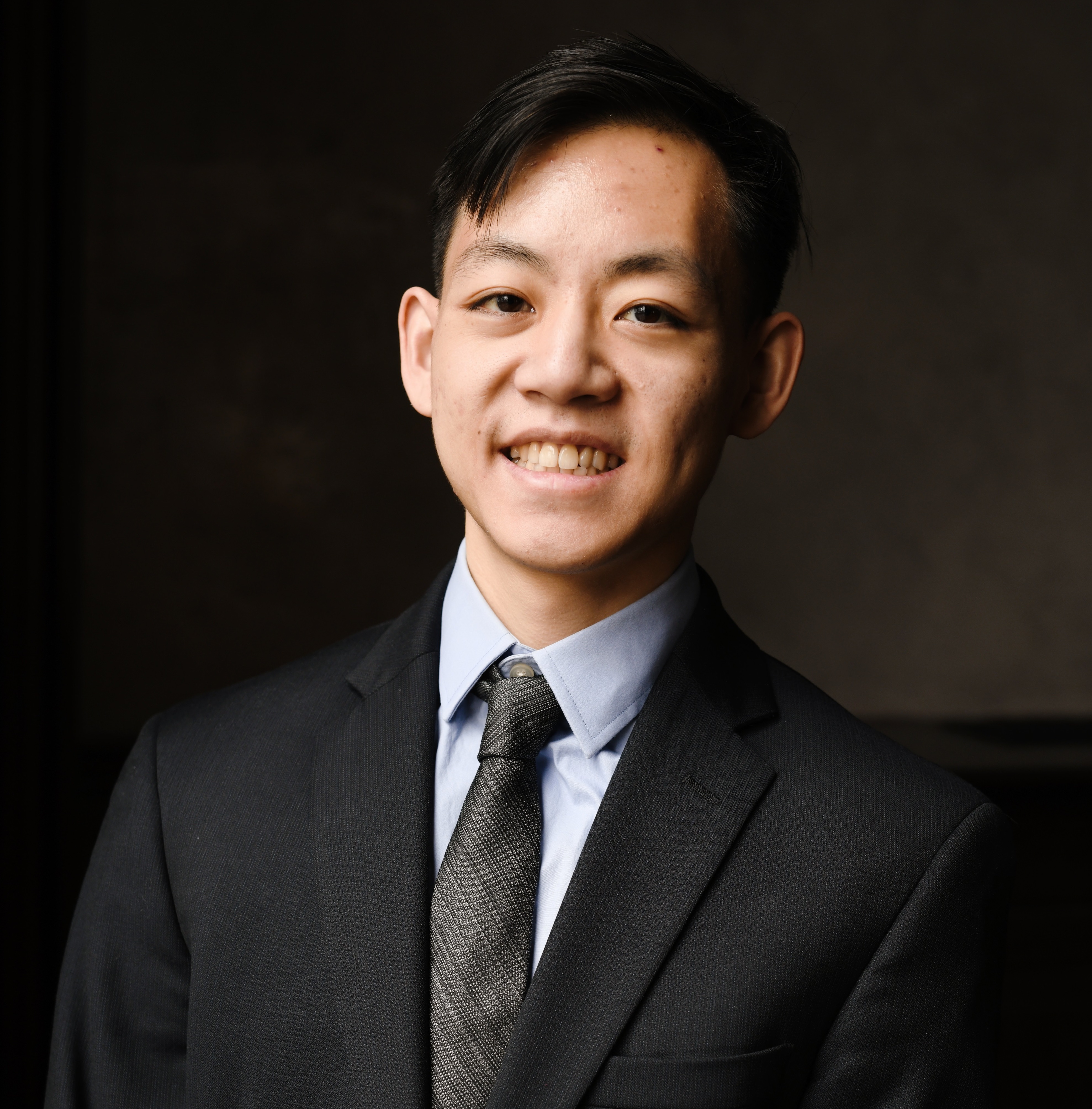
Aaron Cheng
Aaron Cheng is a classical hematologist with a focus on thalassemia and sickle cell disease. He will join the University of Pennsylvania as an Assistant Professor of Medicine and Medical Director of the Penn Comprehensive Adult Thalassemia Center. He completed his hematology fellowship at the Hospital of the University of Pennsylvania, and his internal medicine residency at Massachusetts General Hospital.
Description of Work:
His project will use a nationwide survey to examine how people with thalassemia weigh the potential risks and benefits of gene therapy and how these tradeoffs shape their treatment decisions. These results may contribute toward the development of a clinical decision aid that facilitates shared decision-making for gene therapy.
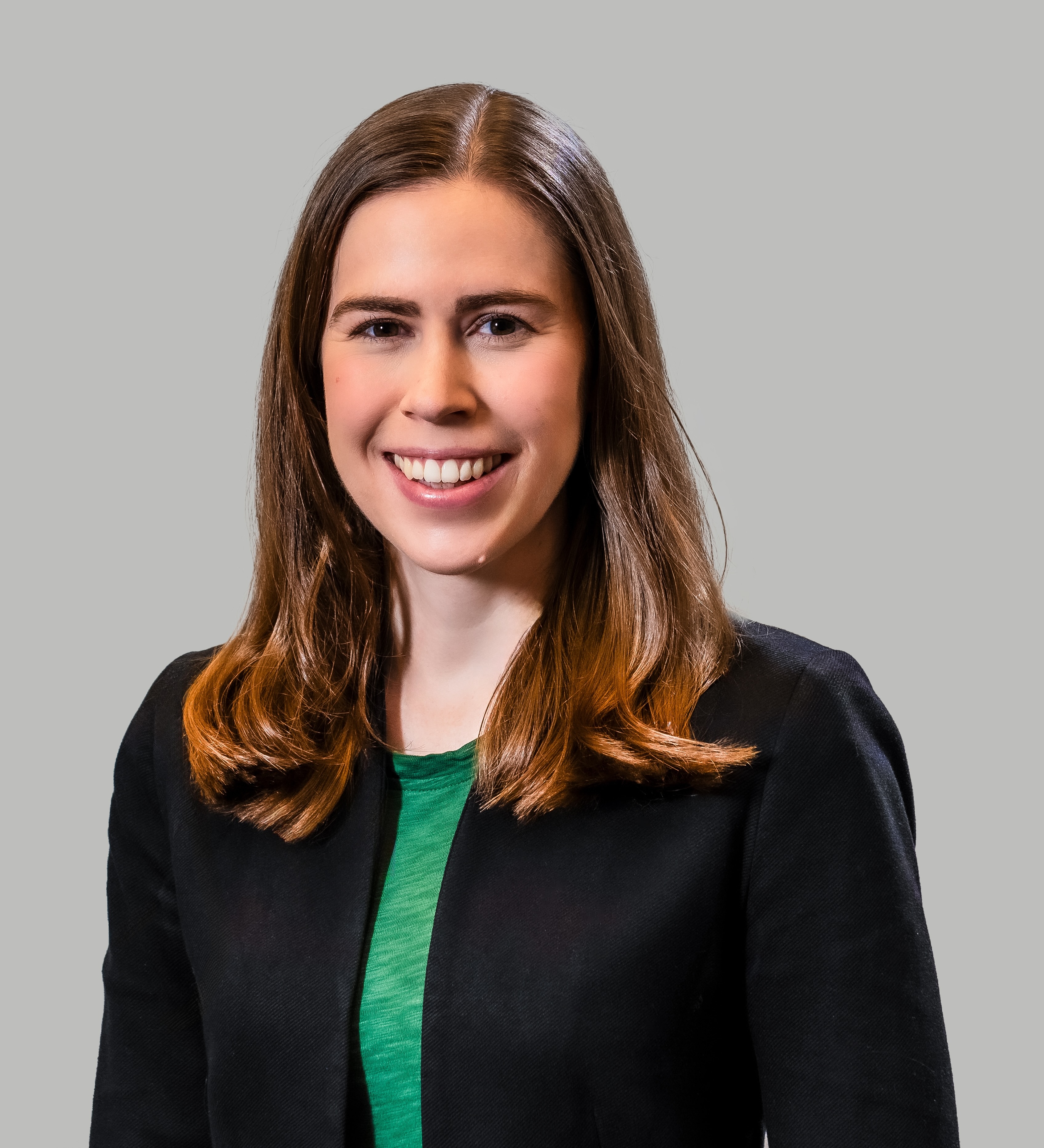
Nora Gibson
Nora Gibson is a pediatric hematologist/oncologist specializing in curative therapies for hemoglobinopathies. She completed her pediatric residency at University of California, Los Angeles, and her hematology/oncology fellowship at the Children’s Hospital of Philadelphia (CHOP). She completed a Master of Science in Clinical Epidemiology at the University of Pennsylvania, followed by a subspecialty fellowship in stem cell transplant, focused on non-malignant hematological disorders. She is currently an Instructor of Pediatrics at CHOP. Her clinical and translational research has focused on optimizing patient outcomes in stem cell transplant and gene therapy for non-malignant disorders.
Description of Work:
Her current project examines the impact of HLA alloimmunization on outcomes of gene therapy for transfusion-dependent thalassemia, and compares healthcare resource utilization between gene therapy and allogeneic transplant in this population. Nora’s goal is to become an independently funded clinician-scientist dedicated to improving the care of children with hemoglobinopathies.
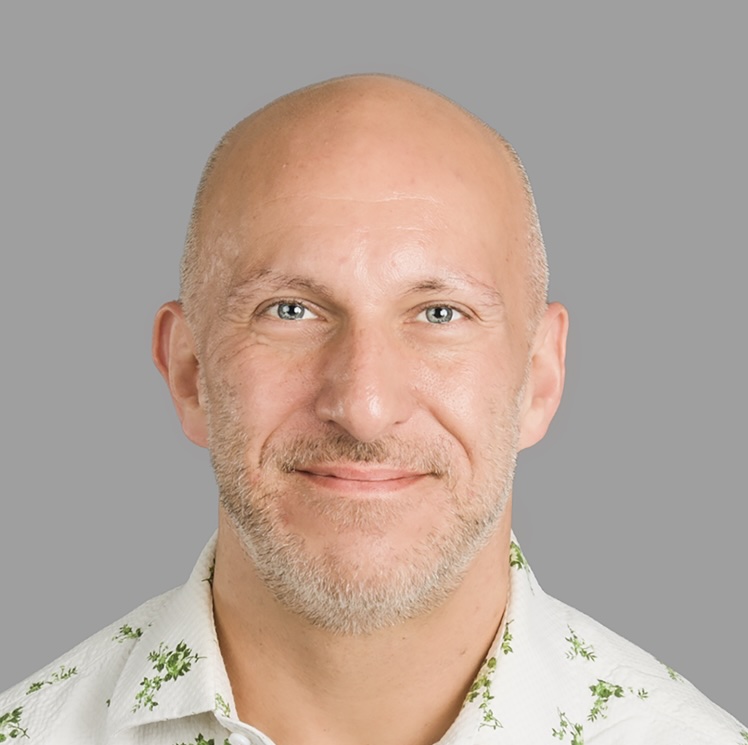
Stephan Kadauke, MD, PhD
Stephan Kadauke is an Associate Professor of Clinical Pathology and Laboratory Medicine at the University of Pennsylvania and Associate Director of the Cell Based Therapy Laboratory at the Children's Hospital of Philadelphia, where he leads GMP manufacturing and regulatory operations for more than thirty active cell and gene therapy trials. He led the rollout of the first automated CAR-T manufacturing platform at a children's hospital and recently helped oversee CHOP's first in-house-manufactured gene therapy for a patient with β-thalassemia. His work centers on building scalable, low-cost, closed-system manufacturing that moves curative cell and gene therapies from development into clinical reality - and makes them accessible well beyond a handful of elite centers.
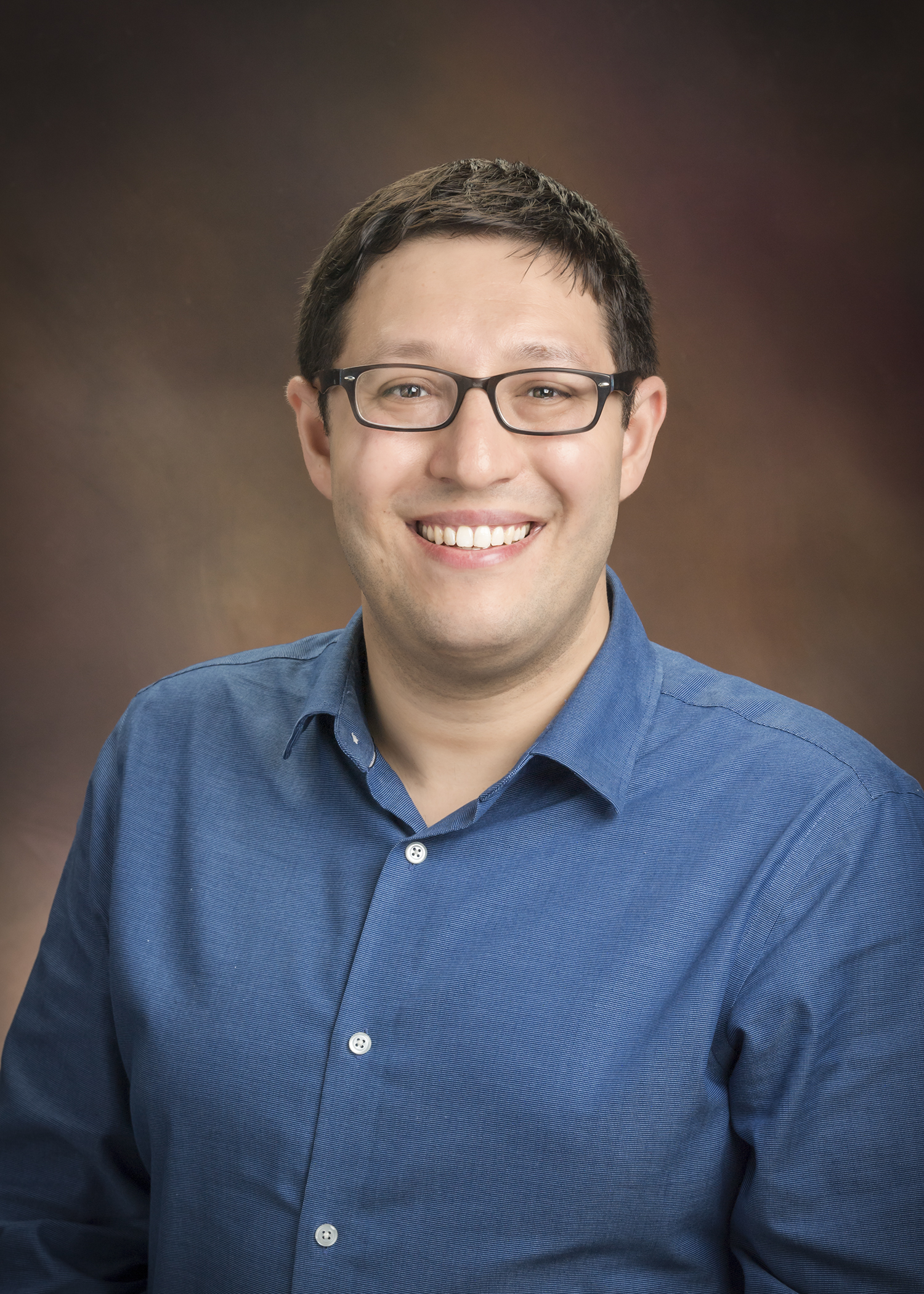
Eugene Khandros, MD, PhD
Eugene Khandros is an Assistant Professor of Pediatrics at the University of Pennsylvania and Attending Physician in the Division of Hematology at the Children’s Hospital of Philadelphia. He is part of the Thalassemia Center and the Red Cell Disorders Curative Therapy Center (CuRED at CHOP. Dr. Khandros has been studying thalassemia pathophysiology since his PhD thesis work, and his laboratory currently studies red blood cell development and hemoglobin gene regulation.
Description of Work:
Our project develops a curative gene therapy platform for transfusion-dependent β-thalassemia, designed from the ground up for patient access. Rather than relying on viral vectors and the cost structure of current commercial products, we adapt closed-system GMP manufacturing workflows already running at CHOP to produce a base-edited, autologous hematopoietic stem cell product at a fraction of today's cost. The explicit goal is a platform other academic centers - including those in low- and middle-income countries, where the burden of β-thalassemia is greatest - can adopt and run themselves.
This is a true multi-PI effort built on complementary strengths. Dr. Kadauke brings GMP manufacturing, regulatory strategy, and a track record of deploying investigator-initiated cell and gene therapy trials, including transferring CAR-T manufacturing technology internationally to Brazil. Dr. Khandros, a pediatric hematologist and physician-scientist, brings deep disease-specific expertise in β-thalassemia, hemoglobin regulation, erythroid biology, and functional validation of editing strategies. The science and clinical translation are jointly conceived and executed, with shared responsibility throughout.

Kaustav Mukherjee
Dr. Mukherjee obtained his PhD in Animal Genetics from Stony Brook University and trained as a postdoc in the lab of Dr. James Bieker at Icahn School of Medicine at Mount Sinai where he studied transcription mechanisms of gene regulation in erythropoiesis and erythroid disease. Currently, he is an assistant professor in the Stem Cell Biology and Regenerative Medicine department of Mount Sinai working on transcription elongation regulation in erythropoiesis and globin switching. He also investigates how disrupted elongation regulation leads to erythroid disorders such as anemia and hemoglobinopathies.
Description of Work:
Our prior work focused on the rare genetic erythroid disease Congenital Dyserythropoietic Anemia Type IV (CDA IV) caused by a mutation in EKLF/KLF1, a master erythroid transcription factor and direct b-globin activator. In CDA IV, one of the g-globin genes is reactivated in patients and cellular models by misappropriating the components of the transcription elongation machinery. Further, we find that many components of the Integrator complex that is a key regulator of transcription elongation are reduced in CDA IV, leading us to query whether their reduction correlates with increased transcription elongation at the g-globin genes and reactivates its expression. Our proposal will test this idea by studying the role of two important Integrator subunits that are reduced the most in CDA IV, and test whether we can modulate their levels precisely to alter transcription elongation mechanisms and activate g-globin. We will also assess the global effects of Integrator subunit modulation on red cell development and how they may contribute to the CDA IV disease.
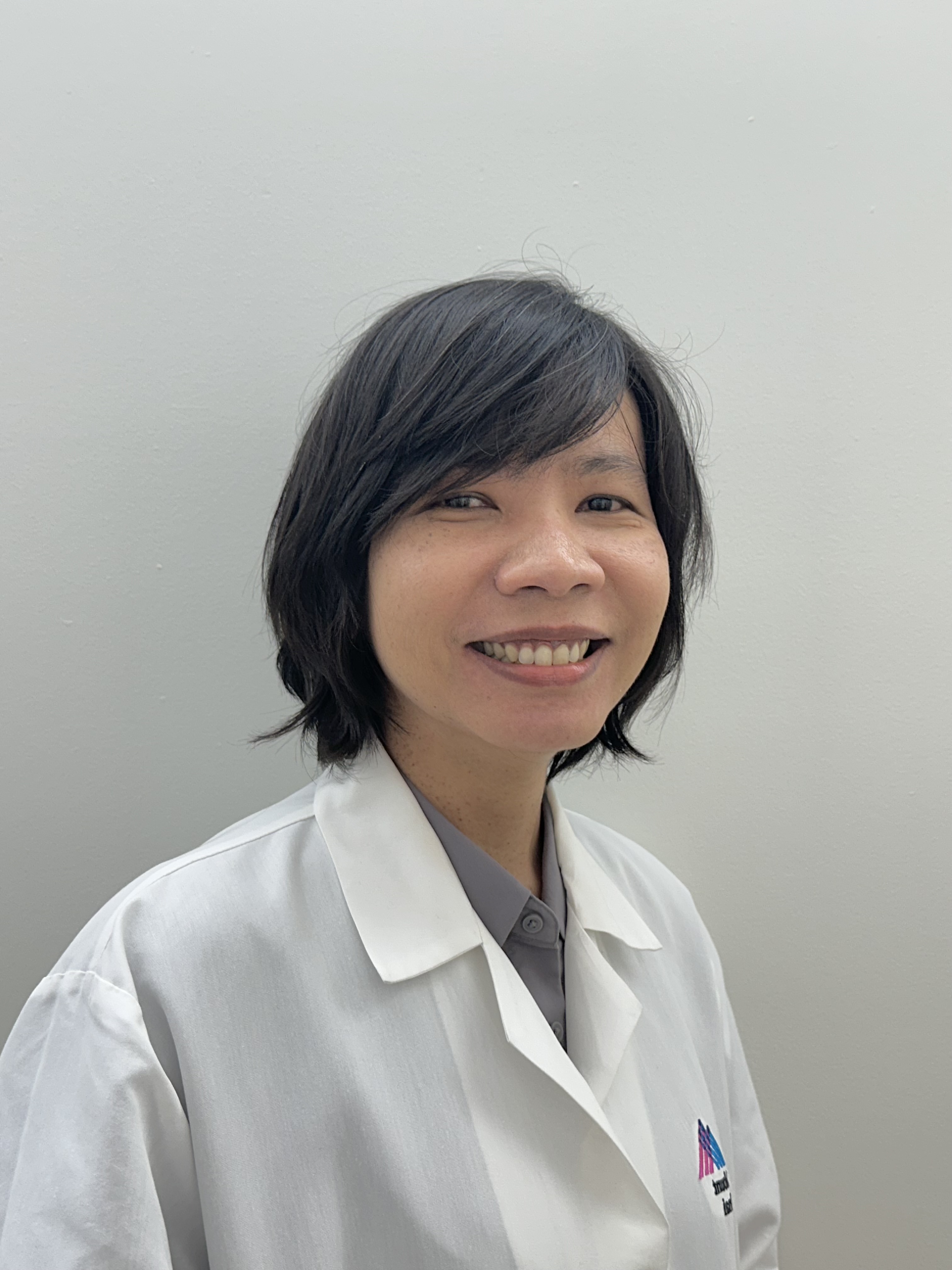
Pinanong Na Phatthalung, PhD
I completed my Ph.D degree in Microbiology at Prince of Songkla University, Thailand. I did my first postdoctoral fellowship at the Zhejiang University School of Medicine, Hangzhou, PR China, where I elucidated the critical function of Slc30a1 zinc transporter on macrophages in response to Salmonella infection.
Since joining the Ginzburg laboratory in October 2023 for my second postdoctoral fellowship, I have focused my effort on understanding how erythroferrone (ERFE) production in osteoblasts impacts bone homeostasis, hepcidin regulation, and stress erythropoiesis in vivo and in vitro
Description of Work:
Recent decades revealed that the central regulator of iron homeostasis, hepcidin, is suppressed by expanded erythropoiesis in β-thalassemia, leading to iron overload even in the absence of transfusion. Specifically, excess bone marrow red blood cell precursors in β-Thalassemia patients and mice produce increased concentrations of another hormone, erythroferrone (ERFE), which leads to hepcidin suppression. We previously demonstrate that ERFE is also produced by bone progenitor cells and ERFE loss in β-thalassemic mice decreases bone mineral density. We have now generated a mouse that allows us to selectively delete ERFE in bone progenitors. In preliminary experiments, these mice demonstrate that bone progenitor derived ERFE is essential for hepcidin regulation during acutely expanded erythropoiesis as occurs after bleeding in normal mice. We hypothesize that bone progenitor derived ERFE 1) is important for hepcidin suppression in chronically expanded erythropoiesis in β-thalassemic mice, 2) its loss enables more efficient erythropoiesis and ameliorates anemia in β-thalassemic mice, and 3) bone mineral density correlates with ERFE concentration in β-thalassemia patients and mice. To test these hypotheses, we propose to assess erythropoiesis-, iron metabolism-, and bone-related parameters in β-thalassemic mice with selective bone progenitor deletion of ERFE in Aim 1 and correlate bone mineral density with serum ERFE in both transfusion-dependent and non-transfusion requiring β-Thalassemia patients in Aim 2. We anticipate that the successful completion of this timely, significant, and innovative direction will increase understanding of how ineffective erythropoiesis is regulated in β-thalassemia and provide rationale for targeted development of novel therapeutic approaches for β-Thalassemia patients.
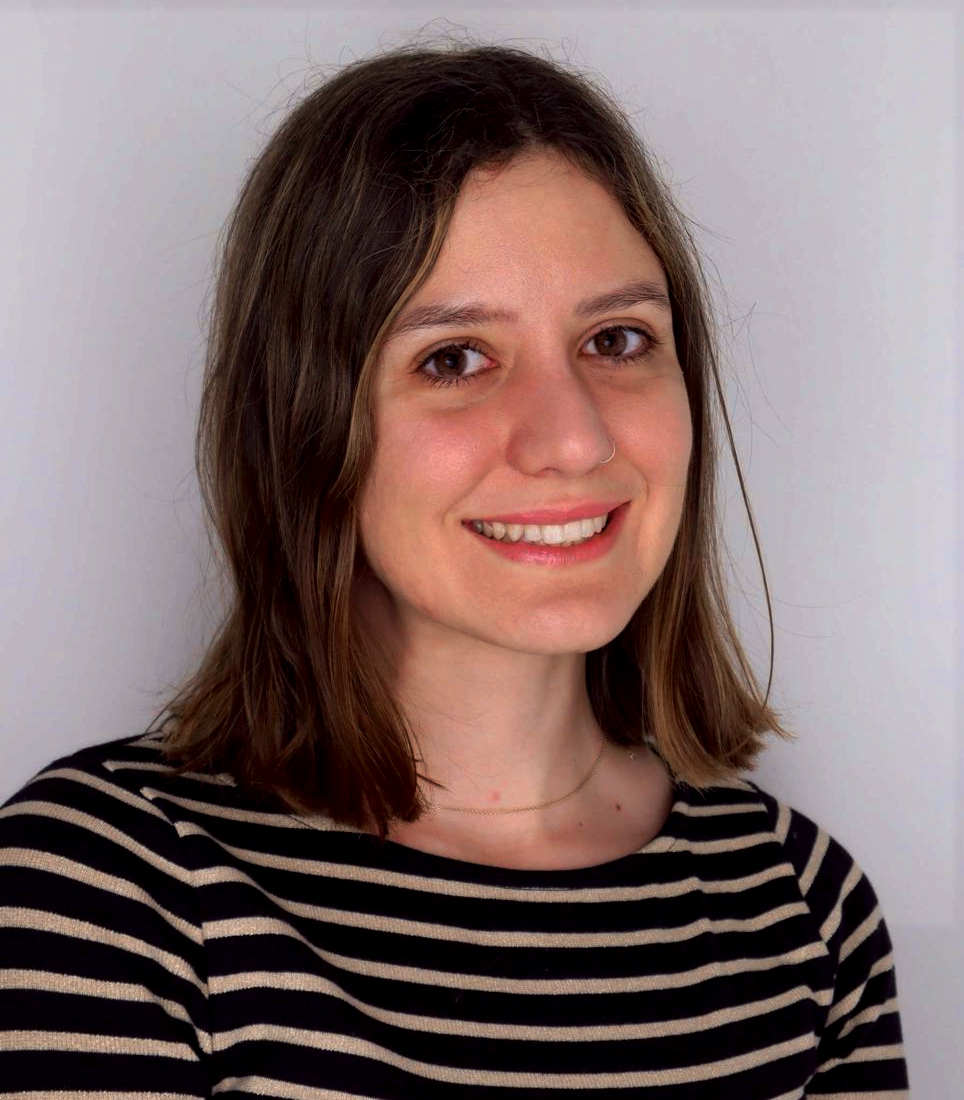
Maria Eleni Psychogyiou, PhD
Dr Maria Eleni Psychogyiou is a postdoctoral fellow in Dr. Stefano Rivella’s lab in the Department of Hematology at the Children’s Hospital of Philadelphia.
She earned her bachelor’s degree in Chemistry and master’s degree in Biochemistry from the University of Crete, Greece. During her master’s studies, she completed an Erasmus internship at the MVLS College of the University of Glasgow.
Dr. Psychogyiou received her PhD in Hematology from King’s College London as a Marie Curie fellow. Her doctoral research focused on characterizing the functional differences between GATA1-FL and GATA1s in erythropoiesis and investigating the role of GATA1 in regulating the ERCC1-XPF NER endonuclease.
As a postdoctoral researcher, she is developing innovative gene therapy strategies for α-Thalassemia. Utilizing novel mouse models of the disease, she studies the underlying pathophysiology and explores potential therapeutic approaches, including lentiviral vectors and in vivo gene editing.
Description of Work:
α-Thalassemia (AT) is a genetic disorder that disrupts the α-globin production. Patients with AT exhibit reduced hemoglobin accumulation resulting in poor oxygen delivery and anemia. Even if it is estimated that 5-10% of the global population carries the genetic trait for α-Thalassemia, there is currently no available gene therapy treatment for the disease. The only curative treatment is hematopoietic stem cell transplantation (HSCT), which carries serious risks. In this research project, we have designed novel mouse models that replicate key human AT mutations, to investigate the pathophysiology of the disease. To treat these forms of AT we are developing two therapeutic approaches: a lentiviral vector to deliver a healthy α-globin gene, and gene editing tools to directly correct the mutations. Together, these efforts aim to lay the groundwork for safer, targeted treatments for AT.
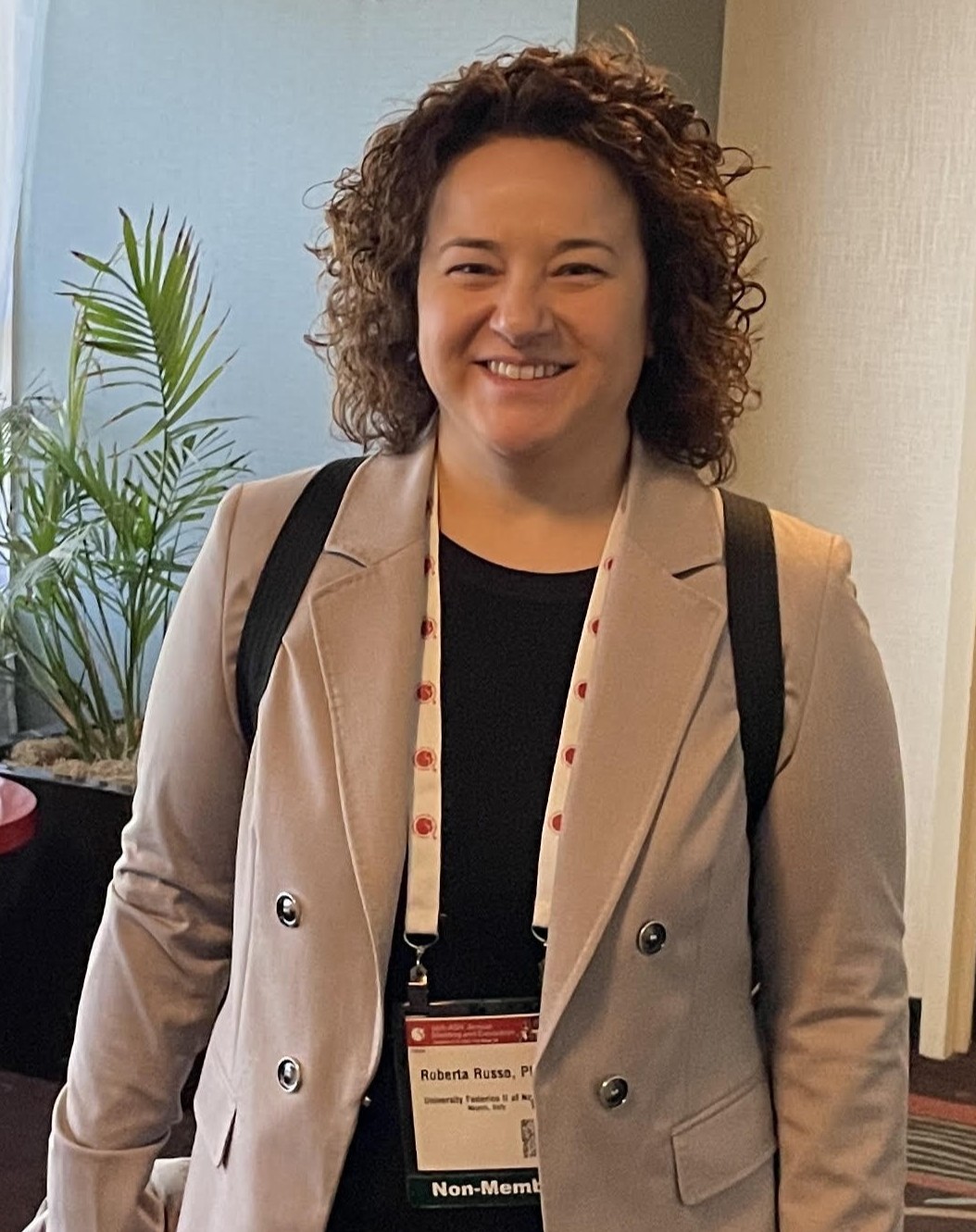
Roberta Russo, PhD
Roberta Russo, PhD, is Associate Professor of Medical Genetics at the University of Naples Federico II and Head of the Molecular Diagnostics Laboratory for Hereditary Anemias at CEINGE – Biotecnologie Avanzate Franco Salvatore (Naples, Italy).
Since 2007, her work has focused on the molecular basis of hereditary red blood cell disorders, with expertise in congenital dyserythropoietic anemias, hemoglobinopathies, and disorders characterized by ineffective erythropoiesis. She is internationally recognized for her contributions to the identification of disease-causing genes and to the understanding of the molecular mechanisms underlying hereditary anemias.
Over the past decade, her research has increasingly focused on integrating genomics, transcriptomics, and functional studies to investigate genetic modifiers, genotype-phenotype correlations, and variability in treatment response. Her goal is to translate genetic discoveries into clinically actionable tools that support personalized patient care and precision medicine approaches.
She serves on the Steering Committee of the Italian Society of Thalassemias and Hemoglobinopathies (SITE), where she coordinates the Laboratory Working Group, and on the Steering Committee of the Overarching Specialized Working Group on Diagnostics in Hematology of the European Hematology Association (EHA). She is also an active member of EuroBloodNet, the European Reference Network for Rare Hematological Diseases. Through her research and leadership roles, she has contributed to advancing both the diagnosis and clinical management of inherited blood disorders at the national and international levels.
Description of Work:
Luspatercept has significantly improved the management of transfusion-dependent β-thalassemia by reducing transfusion requirements in many patients. However, a substantial proportion of individuals derive little or no benefit from treatment, and clinicians currently lack reliable tools to identify these patients before therapy is initiated. As a result, some patients are exposed to ineffective treatment while alternative therapeutic options may be delayed.
Our preliminary studies have identified a genetic variant in the EIF2AK1 gene that appears associated with a lack of response to luspatercept, suggesting that non-responders may represent a biologically distinct subgroup of patients. Building on these findings, this project aims to identify genetic and biological markers to predict treatment failure and inform more personalized therapeutic decisions. The study will focus on patients with transfusion-dependent β-thalassemia receiving luspatercept at specialized Italian Thalassemia Centers. By combining detailed clinical follow-up with genetic analyses and the evaluation of biomarkers related to erythropoiesis and red blood cell stress, we will investigate why some patients fail to respond to treatment. In parallel, laboratory studies using patient-derived erythroid cells will explore the biological mechanisms underlying resistance to luspatercept and help identify novel circulating biomarkers that can be measured in blood samples. The main objective of this research is to develop clinically applicable tools that allow early identification of patients unlikely to benefit from luspatercept. Such an approach would advance precision medicine strategies in β-Thalassemia. Importantly, elucidating the molecular pathways responsible for treatment refractoriness may also provide insights into potential strategies to overcome resistance, including the rational development of combination therapies targeting complementary mechanisms involved in ineffective erythropoiesis.
Additional relevant information
- Clinical centers: Fondazione IRCCS Ca' Granda Ospedale Maggiore Policlinico (Milan) and SSD Microcitemie Unit, A.O.U. San Luigi Gonzaga (Turin).
- Coordinating institution: CEINGE – Biotecnologie Avanzate Franco Salvatore (Naples), where molecular, cellular, and statistical analyses will be performed.
- Research team: Anthony Iscaro (Medical Genetics resident), Antonella Nostroso (postdoc and Medical Genetics resident), Filippo Russo (MD, Ph.D. student)
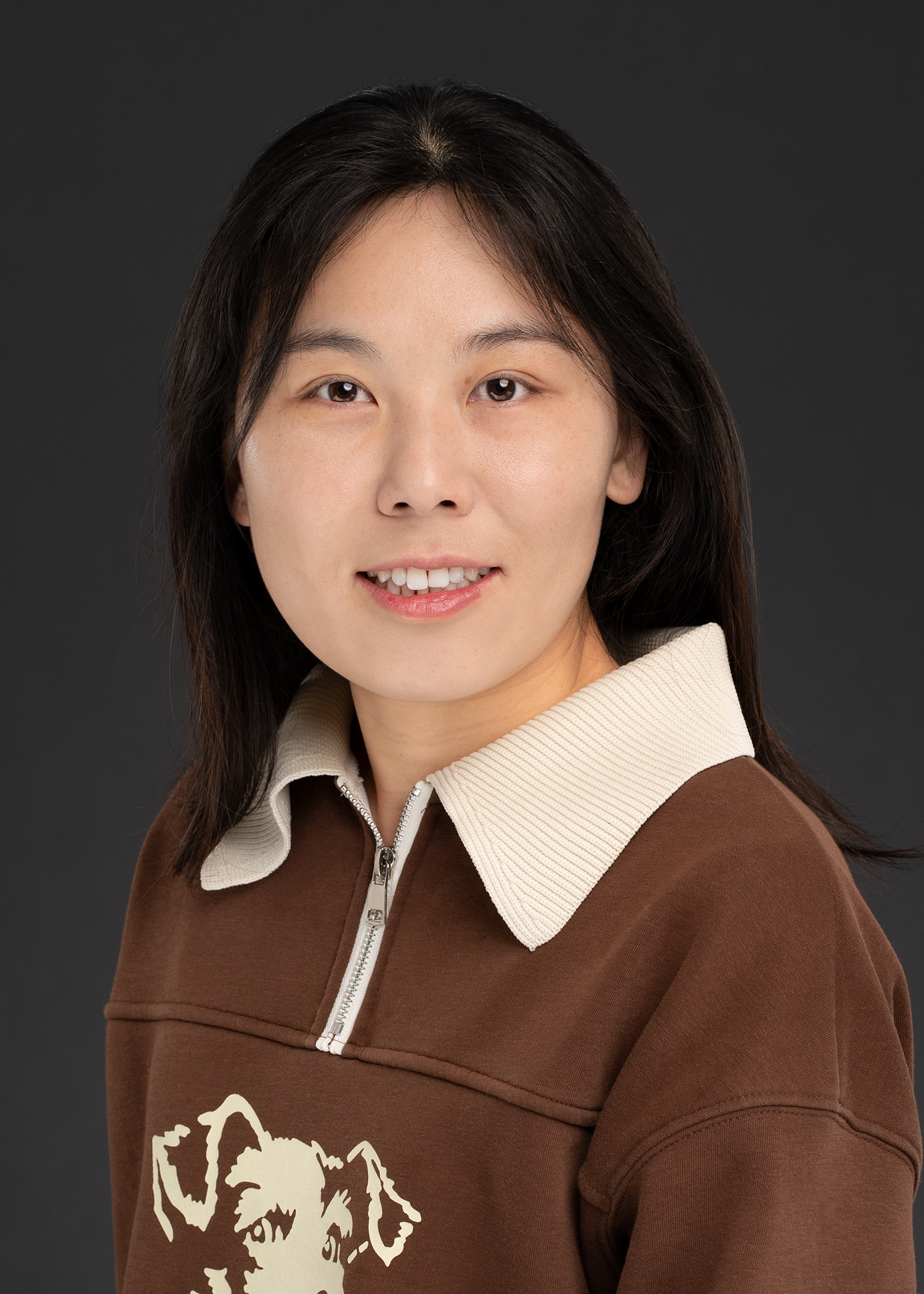
Kaili Wang
I am a postdoctoral research associate in Dr. Jian Xu’s laboratory at St. Jude Children’s Research Hospital. My work investigates how chromatin architecture and enhancer regulation control gene expression in erythroid cells, with a particular interest in translating these mechanisms into therapies for hemoglobin disorders.
Description of Work:
My research focuses on developing a non-gene-editing therapeutic strategy for β-hemoglobinopathies by targeting enhancer RNAs regulating BCL11A, a key repressor of fetal hemoglobin (HbF). Using antisense oligonucleotides, I aim to suppress BCL11A expression and reactivate HbF to clinically relevant levels, providing a potentially more accessible, scalable, and cost-effective therapeutic approach for patients with β-Thalassemia.
I am also interested in advancing erythroid-specific delivery strategies for antisense oligonucleotide therapeutics to improve efficacy and broaden clinical accessibility. Ultimately, I hope this work will help expand treatment options for patients with β-hemoglobinopathies worldwide
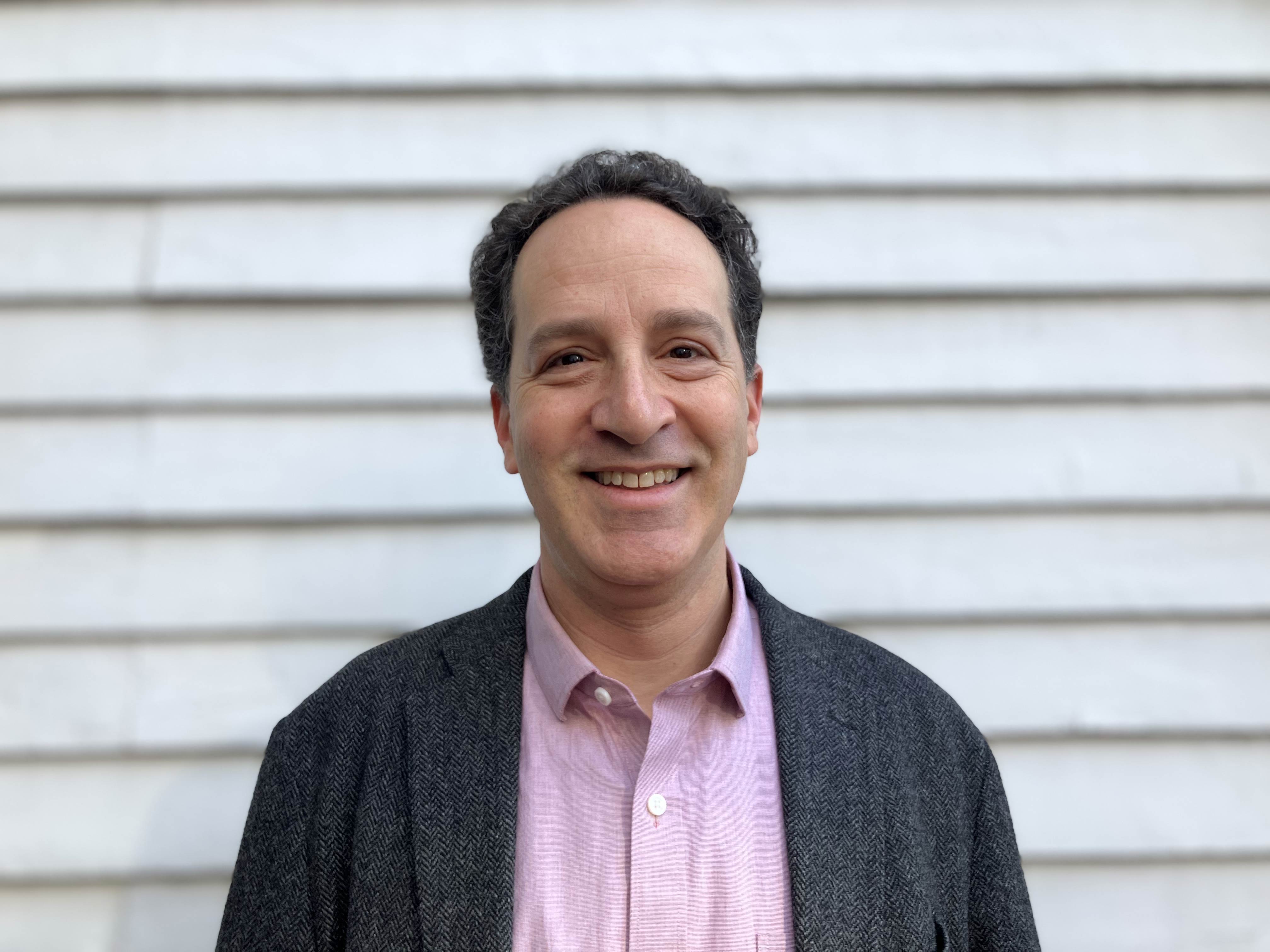
Daniel Bauer, MD PhD
Daniel Bauer, MD PhD is a physician-scientist who discovered the approach targeting the BCL11A erythroid enhancer developed as exa-cel, the first approved gene edited cell therapy, and has investigated therapeutic strategies for inherited blood disorders, including the impact of stem cell quiescence and human genetic diversity on the efficiency, specificity and genotoxicity of genome editing. He sponsors an investigator-initiated therapeutic gene editing clinical trial for beta-hemoglobinopathies. He is Donald S. Fredrickson, MD Associate Professor of Pediatrics at Harvard Medical School and Director of the Gene Therapy Program in Pediatric Hematology/Oncology at Boston Children’s Hospital and Dana-Farber Cancer Institute.
Description of Work:
In this investigator-initiated clinical trial (NCT06647979), we investigate an augmented BCL11A-targeting ex vivo gene editing approach for sickle cell disease and beta-thalassemia expected to produce greater HbF induction and reduced genotoxicity potential as compared to approved approaches. The study will benefit from local manufacturing. We will deeply investigate the impact of the therapy on hematopoiesis and erythropoiesis at molecular, cellular, and clinical levels. We anticipate these findings would inform the development of optimal therapies that would be safe, effective, and widely accessible.